
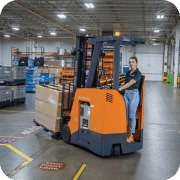
Warehouse operations are the backbone of supply chain management, ensuring smooth inventory handling, storage, and distribution. A well-optimized warehouse increases efficiency, reduces costs, and enhances customer satisfaction. Whether you manage a small storage facility or a large-scale distribution center, following best practices can significantly improve operations.
1. Understanding Warehouse Operations
Warehouse operations involve various activities, including:
- Receiving and Storing Inventory – Proper handling of incoming goods to ensure accurate stock levels.
- Picking and Packing – Efficiently retrieving items for order fulfillment and preparing them for shipping.
- Inventory Management – Tracking stock levels, preventing overstock or stockouts.
- Shipping and Distribution – Ensuring timely and accurate delivery to customers.
- Safety and Compliance – Maintaining workplace safety and adhering to regulatory requirements.
By optimizing these key areas, warehouses can improve productivity and reduce operational costs.
2. Efficient Warehouse Layout and Space Utilization
A well-planned warehouse layout enhances workflow and minimizes unnecessary movement. Key considerations include:
- Zone-Based Storage – Group similar items together based on frequency of use or product type.
- Vertical Storage – Use racks and shelving to maximize space utilization.
- Clear Aisles – Maintain wide, obstruction-free aisles for smooth movement of goods and machinery.
- Proper Signage – Clearly label sections to improve navigation and efficiency.
Best Layout Strategies:
- U-Shaped Design – Optimizes receiving, storage, and shipping flow.
- Straight-Line Design – Ensures a smooth and sequential movement of goods.
- Cross-Docking Setup – Minimizes storage time by directly transferring incoming goods to outbound shipments.
3. Implementing Warehouse Management Systems (WMS)
A Warehouse Management System (WMS) automates inventory tracking, order processing, and workflow management. Benefits of using a WMS include:
- Real-Time Inventory Updates – Reduces errors and improves stock accuracy.
- Automated Order Processing – Speeds up picking and packing operations.
- Data-Driven Decision Making – Provides insights into operational efficiency.
- Reduced Labor Costs – Minimizes manual tasks through automation.
4. Effective Inventory Management Techniques
Poor inventory management leads to inefficiencies, increased costs, and dissatisfied customers. Best practices include:
- ABC Analysis – Categorize inventory based on value and movement frequency:
- A-Class Items – High-value, low-quantity items (require strict control).
- B-Class Items – Moderate-value, moderate-quantity items.
- C-Class Items – Low-value, high-quantity items (require minimal management).
- FIFO & LIFO Methods –
- First-In, First-Out (FIFO) – Ideal for perishable goods to prevent spoilage.
- Last-In, First-Out (LIFO) – Suitable for non-perishable goods where newer stock is used first.
- Cycle Counting – Regularly audit inventory to prevent discrepancies.
5. Streamlining Order Fulfillment Processes
Fast and accurate order fulfillment improves customer satisfaction and retention. Strategies for optimization:
- Batch Picking – Pick multiple orders simultaneously to reduce travel time.
- Wave Picking – Process orders in waves based on priority or destination.
- Zone Picking – Assign workers to specific warehouse zones for efficiency.
- Automated Packing Systems – Reduce packing errors and speed up processing.
6. Enhancing Warehouse Safety and Compliance
Warehouse safety is crucial for preventing accidents, ensuring employee well-being, and maintaining compliance. Key safety measures include:
- Proper Training – Regularly train employees on equipment handling and emergency procedures.
- Personal Protective Equipment (PPE) – Enforce the use of gloves, helmets, and high-visibility clothing.
- Regular Inspections – Conduct safety audits to identify and mitigate hazards.
- Fire Prevention Systems – Install sprinklers, alarms, and emergency exits.
7. Leveraging Technology for Warehouse Optimization
Advanced technology enhances warehouse operations and boosts productivity. Popular technologies include:
- Barcode & RFID Systems – Improve inventory tracking and accuracy.
- Automated Guided Vehicles (AGVs) – Reduce manual handling and transport goods efficiently.
- Drones for Inventory Management – Conduct aerial scans for faster stock auditing.
- IoT and AI-Powered Solutions – Enable predictive maintenance and optimize logistics planning.
8. Sustainability in Warehouse Operations
Eco-friendly warehouse practices reduce environmental impact and operational costs. Sustainable practices include:
- Energy-Efficient Lighting – Use LED lights and motion sensors to save energy.
- Eco-Friendly Packaging – Minimize waste by using recyclable materials.
- Optimized Transportation – Plan routes to reduce fuel consumption and emissions.
- Waste Management Systems – Implement recycling and waste reduction programs.
9. Measuring Warehouse Performance with Key Metrics
Tracking performance metrics helps identify areas for improvement. Important KPIs include:
- Order Accuracy Rate – Percentage of orders shipped correctly.
- Inventory Turnover Rate – How often stock is sold and replaced.
- Order Fulfillment Time – Time taken from order placement to delivery.
- Space Utilization Rate – Efficiency of storage space usage.
- Labor Productivity – Orders processed per worker per hour.
Regularly analyzing these metrics allows businesses to refine their operations and improve efficiency.
10. Employee Training and Workforce Optimization
A skilled workforce enhances productivity and reduces operational errors. Strategies to optimize workforce performance:
- Ongoing Training Programs – Keep employees updated on best practices and new technologies.
- Cross-Training Employees – Train workers for multiple roles to improve flexibility.
- Performance Incentives – Reward employees for efficiency and accuracy.
- Ergonomic Workstations – Reduce strain and improve comfort for warehouse staff.
Conclusion
Optimizing warehouse operations requires strategic planning, technology adoption, and efficient workforce management. By implementing best practices in layout design, inventory management, order fulfillment, and safety compliance, businesses can improve productivity and reduce costs. With continuous improvements and technological advancements, warehouses can enhance their efficiency and provide seamless service to customers.
Staying ahead in warehouse operations means embracing automation, sustainability, and data-driven decision-making. Whether you’re managing a small warehouse or a large distribution center, these strategies will help you achieve operational excellence.